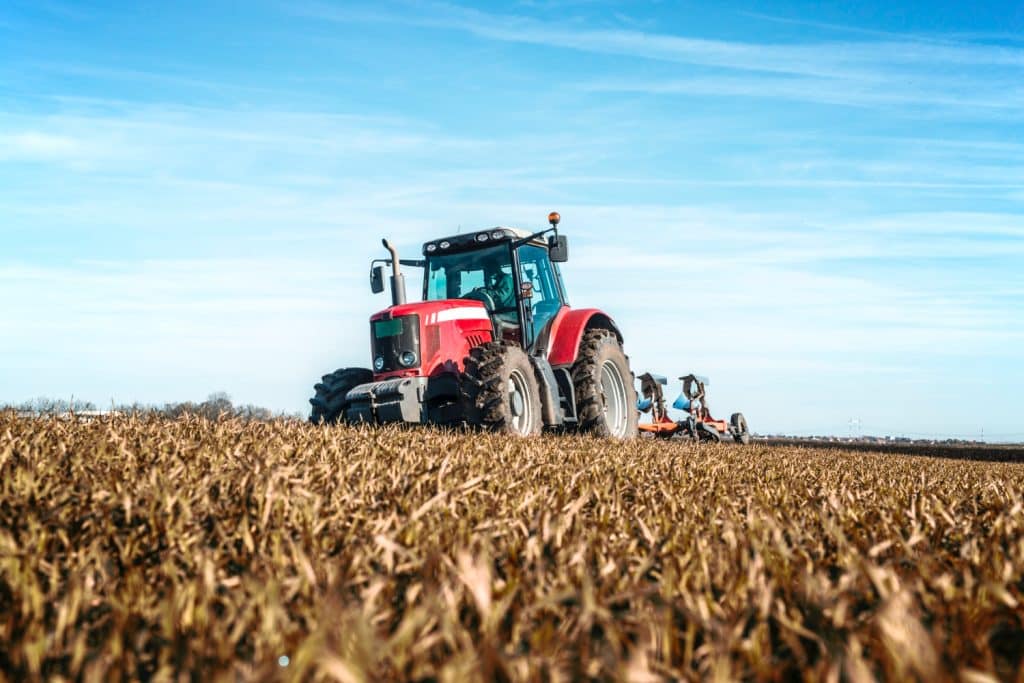
A farmer in the Free State spots what appears to be an excellent deal on a pre-owned 120hp tractor during an online auction. The photographs look clean, the paintwork is decent, and the bidding remains below market value. Two weeks later, after transport to the farm, the reality emerges: hydraulic lift problems, excessive engine blow-by, and expensive gearbox repairs that were never visible in the auction thumbnail images.
Situations like this happen regularly in the South African agricultural machinery market.
Buying used farming equipment without understanding an agricultural auction inspection report can expose farmers to major operational and financial risks. Whether purchasing tractors, planters, balers, spreaders, or harvesting equipment, inspection transparency has become one of the most important factors in modern online farm auctions.
As digital agricultural marketplaces continue growing across South Africa, buyers increasingly rely on professional inspections, valuation reports, operational testing, and detailed imagery before placing bids. A properly compiled agricultural auction inspection report gives buyers a structured understanding of machinery condition, helping reduce uncertainty before committing significant capital.
For emerging commercial farmers, contractors, and experienced operators expanding their fleets, learning how to interpret these reports properly can mean the difference between securing a productive asset or inheriting costly downtime.
What Is an Agricultural Auction Inspection Report?
An agricultural auction inspection report is a structured condition assessment used during agricultural machinery auctions to document the observable condition, operational functionality, and estimated value of farming equipment before sale.
These reports are designed to provide buyers with a clearer understanding of machinery condition when physical inspection is difficult or impossible.
This is especially important in online farm auctions where buyers may bid on equipment located hundreds of kilometres away.
A professional agricultural auction inspection report typically includes:
- Exterior condition photographs
- Engine observations
- Hydraulic functionality assessments
- Tire and undercarriage condition
- Cabin and electrical inspections
- Structural integrity checks
- Operational notes
- Engine hour readings
- Visible leak documentation
- General valuation commentary
In South Africa’s growing digital agricultural marketplace, inspection reports help reduce the traditional uncertainty associated with buying pre-owned agricultural equipment.
Instead of relying purely on seller descriptions, buyers can assess machinery through standardized reporting methods.
Why Inspection Reports Matter in Agricultural Machinery Auctions
Agricultural equipment represents a major capital investment.
Even a mid-sized used tractor can involve hundreds of thousands of rand in acquisition costs, transport expenses, maintenance requirements, and operational downtime risks.
An agricultural auction inspection report helps buyers:
- Identify visible defects before bidding
- Compare multiple machines objectively
- Estimate repair or maintenance costs
- Reduce unexpected post-sale issues
- Make informed bidding decisions
- Improve confidence during online transactions
Professional inspection reporting also improves trust between sellers and buyers.
Transparent reporting generally attracts more competitive bidding because buyers feel more comfortable participating in digital agricultural machinery auctions when accurate information is available.
Understanding the Core Components of an Inspection Report
Not all inspection reports are equally detailed.
Understanding how to interpret each section allows buyers to distinguish between minor cosmetic wear and potentially serious mechanical issues.
Engine Assessment
The engine remains one of the most critical and expensive components in any agricultural machine.
A proper tractor inspection guide South Africa buyers can trust should always prioritize engine condition analysis.
Engine Hours
Engine hours function similarly to mileage in a vehicle.
However, engine hours alone do not tell the full story.
A tractor with lower hours but poor maintenance may present greater risk than a higher-hour machine with complete service records.
Generally:
- Under 3,000 hours is considered relatively low for many tractors
- 4,000–7,000 hours may indicate moderate commercial use
- 8,000+ hours requires closer inspection and maintenance verification
High-hour machines are not automatically poor purchases if maintenance has been consistent.
Cold Starts
Inspection reports may indicate whether the engine started cold without difficulty.
This matters because warm engines can temporarily conceal:
- Weak compression
- Injector issues
- Battery problems
- Starting difficulties
Buyers should pay attention to notes mentioning excessive cranking or abnormal startup behaviour.
Exhaust Smoke Colour
Smoke colour provides important clues regarding engine health.
Black Smoke
May indicate:
- Over-fuelling
- Dirty injectors
- Turbocharger inefficiencies
Blue Smoke
Often suggests:
- Oil burning
- Worn piston rings
- Valve seal issues
White Smoke
Could indicate:
- Coolant leaks
- Poor combustion
- Injector timing problems
Experienced buyers often view excessive smoke during operational testing as a major red flag.
Oil Leaks and Fluid Contamination
Inspection reports should note:
- Engine oil leaks
- Hydraulic oil seepage
- Coolant leaks
- Fuel line deterioration
Small leaks may be manageable.
However, widespread fluid contamination or excessive buildup often indicates deferred maintenance.
Service History
One of the strongest indicators of machinery reliability is documented servicing.
Machines with:
- Dealer servicing
- Maintenance logs
- Component replacement records
- Recent repairs
typically generate stronger buyer confidence during agricultural machinery auctions.
Hydraulic System Inspection
Hydraulic systems are essential for most modern agricultural operations.
Hydraulic failures can severely impact productivity during planting or harvesting windows.
A comprehensive farm equipment inspection checklist should always include hydraulic testing.
Hydraulic Leaks
Inspectors normally examine:
- Hose connections
- Cylinder seals
- Pump areas
- Valve blocks
Visible hydraulic staining around fittings may indicate pressure leaks.
Lifting Responsiveness
Slow or jerky hydraulic movement can suggest:
- Weak pumps
- Internal pressure loss
- Contaminated hydraulic fluid
- Valve wear
Operational responsiveness matters significantly for loaders, planters, and implements requiring precision control.
PTO Functionality
The power take-off system is critical for many farming applications.
Inspection reports should confirm:
- PTO engagement
- Noise levels
- Operational smoothness
- Shaft condition
A malfunctioning PTO can severely limit implement compatibility.
Hose Wear and Damage
South African farming environments often expose machinery to:
- Dust
- UV exposure
- Heat stress
- Thornveld conditions
Worn or cracked hydraulic hoses can lead to expensive downtime during peak operational periods.
Tire and Undercarriage Condition
Tires represent a significant replacement expense in used tractors South Africa buyers often underestimate.
Large agricultural tires can cost tens of thousands of rand to replace.
Tread Depth
Inspection reports should document:
- Remaining tread percentage
- Uneven wear
- Sidewall cracking
- Damage exposure
Uneven tread wear may indicate:
- Alignment issues
- Suspension problems
- Poor weight distribution
Rim Corrosion
Rust around rims is common in coastal regions or heavily fertilized environments.
Severe corrosion may compromise structural integrity.
Axle and Undercarriage Inspection
Inspectors should assess:
- Axle leaks
- Bearing noise
- Suspension wear
- Structural damage
This becomes particularly important for heavy commercial tractors and self-propelled machinery.
Electrical and Cabin Systems
Electrical issues can become difficult and expensive to diagnose.
Many first-time buyers focus only on engine performance while overlooking cabin systems and electronics.
Dashboard Functionality
Inspection reports should verify:
- Gauge operation
- Warning lights
- Digital display functionality
- Monitoring systems
Faulty instrumentation can conceal underlying problems.
Wiring Condition
Poor-quality repairs, exposed wiring, or corrosion can indicate future reliability concerns.
Rodent damage is also common in machinery stored for long periods.
Battery and Charging Systems
Inspectors often evaluate:
- Battery age
- Charging output
- Terminal corrosion
Weak electrical systems may create cold-start issues later.
Air Conditioning and Cabin Comfort
In South African summer conditions, cabin air conditioning matters more than many buyers initially realize.
Long operating hours during planting or harvesting can become physically exhausting without proper climate control.
Structural Integrity
Structural condition directly impacts machinery longevity and safety.
A professional agricultural auction inspection report should identify visible frame-related concerns.
Chassis Cracks
Common stress areas include:
- Loader mounting points
- Drawbar connections
- Implement linkage areas
Repeated heavy-duty work can create fatigue fractures over time.
Welding Repairs
Not all weld repairs are problematic.
However, poorly executed repairs may indicate:
- Accident history
- Chronic structural stress
- Improper maintenance
Rust and Corrosion
Surface rust may be cosmetic.
Deep structural corrosion presents more serious concerns, particularly in:
- Coastal regions
- Fertilizer-heavy operations
- Irrigation environments
How to Interpret Machinery Photos Like a Professional Buyer
Photographs form a major component of modern online farm auctions.
Experienced buyers often identify problems through visual clues long before reviewing detailed inspection notes.
Hydraulic Staining
Dark staining around hydraulic cylinders or hoses often indicates active leaks.
Freshly cleaned components should also raise questions if surrounding areas appear unusually polished.
Tire Sidewalls
Sidewall cracking frequently appears before tread wear becomes severe.
Cracks may indicate:
- Age deterioration
- UV exposure
- Long-term outdoor storage
PTO Shafts and Hitch Points
Excessive wear around:
- Hitch pins
- PTO shafts
- Drawbar holes
may suggest intensive heavy-duty usage.
Elongated hitch holes often reveal years of implement strain.
Rust Patterns
Localized rust may indicate:
- Water pooling
- Poor storage conditions
- Previous damage repairs
Pay particular attention to:
- Cabin floor rust
- Battery tray corrosion
- Undercarriage oxidation
Fresh Paintwork
New paint is not automatically negative.
However, buyers should remain cautious when fresh paint appears concentrated around:
- Weld areas
- Engine components
- Structural joints
This may conceal repairs or corrosion.
Understanding Engine Hours vs Actual Wear
One of the biggest misconceptions in buying used farming equipment is assuming low engine hours always equal better condition.
Real-world usage patterns matter significantly.
Seasonal Use Differences
A grain farm tractor operating seasonally may accumulate fewer hours but experience intense peak loads during planting and harvesting.
A livestock operation may generate consistent lower-load usage throughout the year.
Contractor Usage
Contractor machinery often accumulates high hours quickly.
However, contractors sometimes maintain equipment more rigorously due to uptime requirements.
Idle Hours
Some tractors spend extended periods idling:
- During irrigation monitoring
- While powering stationary equipment
- During loading operations
This can create engine wear without corresponding operational productivity.
Machinery Type Comparisons
Sub-100hp Tractors
Typically used for:
- Small-scale farming
- Utility work
- Livestock operations
Wear patterns may differ substantially from commercial row-crop machines.
High-Horsepower Tractors
Commercial grain operations place heavy demands on:
- Transmissions
- Hydraulic systems
- PTO assemblies
Combine Harvesters
Harvesters often experience intense seasonal usage within short timeframes.
Inspection reports should examine:
- Augers
- Belts
- Bearings
- Cutting systems
Planters and Balers
Wear points include:
- Bearings
- Chains
- Metering systems
- Pickup assemblies
Common Mistakes First-Time Auction Buyers Make
Many new participants in agricultural machinery auctions make avoidable mistakes.
Understanding these risks improves purchasing outcomes significantly.
Emotional Bidding
Competitive bidding environments can push buyers beyond realistic valuations.
Professional buyers usually establish:
- Maximum bid thresholds
- Repair budgets
- Transport estimates
before bidding begins.
Ignoring Transport Costs
Transport costs in South Africa can become substantial, especially for:
- Large tractors
- Harvesters
- Wide implements
Distance, abnormal load permits, and fuel prices all affect final acquisition costs.
Overlooking VAT Implications
Some buyers fail to account for:
- VAT inclusion
- VAT exclusions
- Settlement terms
This can materially affect total purchase pricing.
Misunderstanding “Voetstoots” Conditions
Many agricultural machinery auctions operate under “voetstoots” principles.
This means machinery is generally sold as-is.
Inspection reports become critically important because post-sale recourse may be limited.
Failing to Verify Documentation
Buyers should always verify:
- Ownership status
- Finance clearance
- Serial numbers
- Registration documentation where applicable
Skipping the Inspection Report Entirely
One of the most expensive mistakes is bidding without reviewing the agricultural auction inspection report carefully.
Even experienced operators benefit from structured condition assessments.
Why Digital Agricultural Auctions Are Growing in South Africa
The South African agricultural industry has increasingly embraced digital auction platforms.
Several economic and operational factors are driving this transition.
Reduced Travel Costs
Online bidding eliminates the need for long-distance travel across provinces.
Farmers can evaluate pre-owned agricultural equipment remotely before deciding whether physical inspection is necessary.
Expanded Buyer Pools
Digital agricultural machinery auctions attract:
- Regional buyers
- National buyers
- Cross-border participants
This improves seller visibility and market efficiency.
Biosecurity Considerations
Reduced farm visitation can help limit unnecessary movement between agricultural operations.
This has become increasingly relevant during periods of heightened livestock disease awareness and biosecurity management.
Increased Market Transparency
Online platforms typically provide:
- Photographic documentation
- Inspection reporting
- Digital bidding histories
- Structured listing data
This creates a more informed buying environment.
Convenience for Busy Operators
Planting and harvesting schedules often limit time available for attending physical auctions.
Digital access allows farmers to participate without disrupting operational priorities.
Questions Buyers Should Ask Before Bidding
Before placing bids during agricultural machinery auctions, buyers should gather as much operational information as possible.
Essential Pre-Bidding Questions
Ownership and Finance
- Is the machinery fully paid off?
- Are there existing finance obligations?
- Has ownership been verified?
Maintenance History
- Are service records available?
- Were major repairs completed recently?
- Have OEM parts been used?
Operational Condition
- Was the machinery tested recently?
- Are operational videos available?
- Are there known faults?
Spare Parts Availability
- Are replacement parts locally available?
- Is dealer support accessible in South Africa?
Transport Logistics
- Who handles loading?
- Are loading facilities available?
- What transport dimensions apply?
Inspection Timing
- When was the inspection conducted?
- Has the machinery been used since inspection?
How ProFarm Agri Supports Transparent Agricultural Auctions
ProFarm Agri positions itself around professional inspections, transparent valuations, and streamlined agricultural auction processes.
In a market where trust significantly influences bidding behaviour, transparency becomes a major competitive advantage.
Professional inspection reporting helps:
- Reduce uncertainty
- Improve buyer confidence
- Increase listing credibility
- Support fairer market pricing
Through digital visibility and structured machinery presentation, platforms like ProFarm Agri help connect buyers and sellers across South Africa more efficiently.
For sellers, this improves market reach.
For buyers, it creates access to broader equipment inventories supported by clearer condition reporting.
As online farm auctions continue evolving, professionally managed inspection-driven platforms are likely to play an increasingly important role in South Africa’s agricultural economy.
Conclusion
Buying pre-owned agricultural equipment always carries some level of risk.
However, understanding how to interpret an agricultural auction inspection report dramatically improves a buyer’s ability to make informed decisions.
From engine condition and hydraulic performance to tire wear, structural integrity, and operational history, inspection reports provide critical insights that photographs alone cannot reveal.
For South African farmers navigating increasingly digital agricultural machinery auctions, informed bidding has become essential.
The strongest buyers are rarely the most aggressive bidders. They are usually the best-informed bidders.
By understanding inspection terminology, recognizing visual red flags, and asking the right pre-auction questions, buyers can reduce costly surprises and make smarter long-term machinery investments.
To explore professionally inspected machinery listings, transparent auction opportunities, and digital agricultural sales across South Africa, visit ProFarm Agri and stay informed before placing your next bid.